Closing Time Is a Marketing Decision, Not a Switch
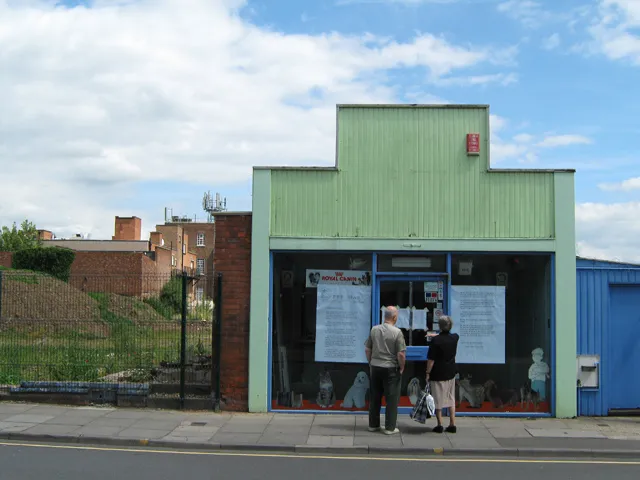
Photo: David Lally, CC BY-SA 2.0, via Wikimedia Commons
At 5:31pm on a wet Tuesday in November, your marketing does not clock off. The shutters come down, the lights go off, and the customer journey keeps going without you. Someone calls the number on your Google profile. Someone emails the address from your Instagram bio. Someone taps the contact form at 10:14pm and waits. What they meet in those quiet hours is still your brand speaking. And most UK SMEs have never listened to it.
That is the case for a lights-off audit: a short, slightly uncomfortable review of everything your business says when no one is in the building. It is not about being available 24/7. It is about removing the small uncertainties that turn a ready-to-buy customer into a maybe.
Start by becoming your own after-hours customer
Pick a weeknight. Wait until the office is empty. Then try to buy from yourself.
Call the main number and let it ring. Send an email to the address on your website. Open Google Maps and check the hours. Send a direct message on Instagram or Facebook. Fill in the contact form and see what comes back. Do it on your phone, because that is where most customers are.
Write down three things: what you found, how long it took, and how it made you feel. That last one matters. If the silence feels awkward to you, it feels worse to someone who is trying to give you money.
Voicemail is a 20-second handbrake
Most voicemails are a shrug in audio form. The greeting says leave a message, then nothing. No name, no hours, no promise, no next step. The caller hangs up and tries a competitor.
A better script is short and specific. Something like: You have reached [business name]. We are closed until [day and time]. If you need [common request], email [address] and we will reply by [time]. If your enquiry is urgent, [clear instruction]. We check messages at [time] each working day.
That is it. It does not pretend you are awake. It does not overpromise. It simply tells the customer what happens next. Record it on your phone if you have to. A human voice beats a default robot every time.
The auto-reply that does actual selling
An out-of-office email is not a holiday notice. It is a shop window. The standard I am away until Monday is fine for colleagues, but it is a wasted opportunity for customers.
Try this: Thanks for your message. We are away until Monday 9am. If you would like a quote, you can use the form here [link]. If your message is about an existing order, reply with your order number and we will pick it up first thing. For anything urgent, call [number] between [hours].
That reply does three jobs. It sets an expectation, gives the customer a useful next step, and sorts the urgent stuff from the general stuff. It also stops you coming back to an inbox full of vague enquiries that need a second email before anything can happen.
Google is your late-night receptionist
Your Google Business Profile is often the first thing a customer sees, and the last thing anyone updates. Check the opening hours, the phone number, the website link and the holiday hours. Check them again before every bank holiday. A wrong opening time is not a small error. It is a wasted journey, a dented trust and a review you will have to answer.
While you are there, look at the questions and answers section. If one customer has asked whether you deliver, whether there is parking, or whether you are dog-friendly, ten others have wondered the same thing and said nothing. Answer the question once, in public, and you have improved the out-of-hours experience without answering the phone.
Social DMs have a silence tax
People message businesses at night. They scroll, they see something, they ask a question. If the reply comes three days later, the moment has gone.
You do not need to be on call. You do need a saved reply that sounds human. Something like: Thanks for getting in touch. We are away from the desk until [day]. If you are asking about [common topic], here is the link. Otherwise we will reply properly on [day]. That is a holding message with manners.
Pin a post or story highlight with your opening hours and a link to your booking page. It feels basic because it is. Basic done well beats clever done late.
The website needs a closing shift, too
Your contact form should confirm what happens next. Not just thank you, we will be in touch. Say when. One working day is a promise most small teams can keep. Two days is honest. Four days is a warning sign.
If you use live chat, turn it off when you cannot answer it, or label it clearly as a bot. A fake person who never replies is worse than no chat at all. If you have an FAQ page, check that it answers the questions people actually ask after hours, not the ones you wish they would ask.
The 30-minute lights-off audit
Here is the whole thing in one page.
Set a timer for 30 minutes, ideally after 6pm. Use your own phone, not your work laptop. Call, email, message, search and submit. Note every point where you have to guess, wait or give up. Then fix the three worst bits: the voicemail, the auto-reply and the Google hours. Write the scripts down. Give someone the job of checking them once a quarter.
You are not trying to run a 24-hour call centre. You are trying to make sure the business still sounds like itself after the lights go off. A clear message at 8pm can hold a customer until 9am. A vague one sends them somewhere else.
Closing time is a marketing decision. Treat it like one.