Counter Intelligence: The 45-Minute Audit That Finds Your Best Marketing Copy
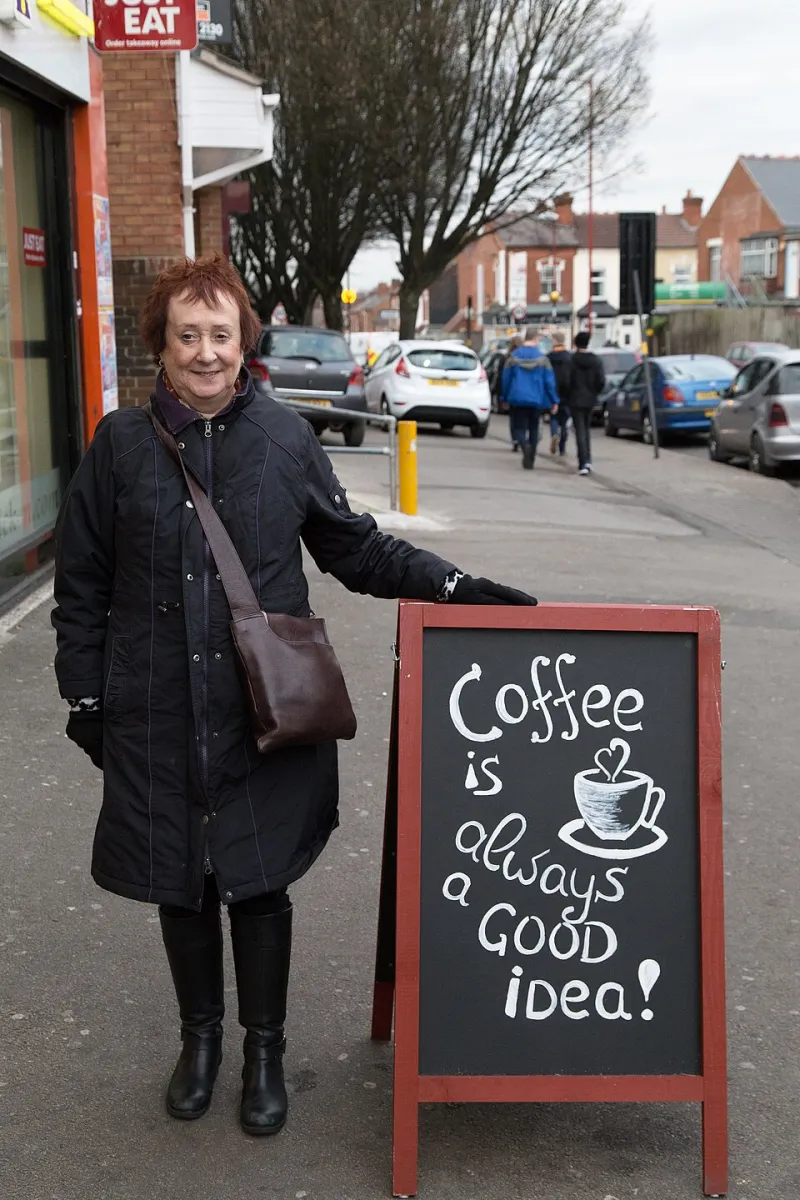
Photo: Francisclarke, CC BY-SA 4.0, via Wikimedia Commons
Most SME marketing starts at the owner's desk. That is not a criticism; it is just where the big picture lives. You know the strategy, the margins, the plan for next quarter. But the customer does not meet you at the desk. They meet the business at the counter, on the phone, at the delivery door or in a follow-up email from an account manager who has heard the same question four times before lunch.
That gap is where good marketing goes to die quietly. Your website says 'premium quality'. The person on the till knows customers are actually asking whether the packaging is recyclable, whether the item fits under a standard kitchen cupboard, or why the delivery slot is two days longer than the one advertised. Your brochure talks about heritage. The delivery driver knows the real objection is parking.
A back-of-shop audit is a way to close that gap without hiring a research agency or booking a hotel meeting room. It is a structured 45-minute conversation with the people who hear the truth first. The goal is not to gather opinions. It is to collect exact phrases you can use in your marketing.
Why the back of shop beats the boardroom
Front-line staff are an unpaid research panel. They hear the questions customers are too polite to put in an email. They hear the hesitation before someone says 'I'll think about it'. They hear the workaround customers have invented because your process is unclear.
Delivery staff and account managers hear a different version of the same truth. A delivery driver knows which instructions get ignored. An account manager knows which invoice query keeps coming back. A warehouse team knows which product description causes the most returns. None of this is gossip. It is customer language, and customer language is marketing raw material.
The mistake most SMEs make is asking staff for 'feedback'. That invites a moan. Ask them what customers actually say and you get something more useful: exact wording, repeated patterns and the questions your website has never answered.
Set up the 45 minutes properly
Pick a small group: two to four people from different front-line roles. Include someone who deals with enquiries, someone who handles delivery or fulfilment, and if you have one, an account manager. Keep it informal. A back office, a quiet corner of the shop floor or a video call is fine. No slide deck. No annual review energy.
There are three rules. First, no defending the business. The moment someone says 'yes, but we do explain that on page four', the useful language disappears. Second, write down exact phrases, not summaries. 'Customers think it's expensive' is vague. 'They say they can get it cheaper on Amazon but they want it tomorrow' is copy. Third, park solutions until the end. You are there to listen, not to redesign the website in 45 minutes.
A simple agenda works:
- 0–5 minutes: Explain the purpose. You are collecting customer language to improve marketing, not appraising anyone's performance.
- 5–15 minutes: Ask what customers ask that the business does not answer clearly anywhere.
- 15–25 minutes: Ask what staff say when a customer hesitates, objects or goes quiet.
- 25–35 minutes: Ask what customers complain about after they have bought, and what they wish they had known before.
- 35–45 minutes: Read back the strongest phrases and ask which ones come up most often.
That is it. One conversation. Maybe two if you have very different customer groups.
The questions that produce usable copy
Do not ask 'what could we do better?' Ask for specifics. Try these prompts:
- What is the oddest question you have been asked this month? Odd questions often reveal a gap in your product page or FAQ.
- What do you say when someone says 'I'll think about it'? That answer is an objection-handling script you already use but have never written down.
- What do customers assume that is not true? Assumptions are pre-purchase friction.
- What do they ask after they have paid? Those are onboarding and after-sales copy problems.
- What do you wish the website said so you did not have to explain it? This one alone can fill a FAQ page.
- What phrase do customers use that we would never use ourselves? That is your headline, not your jargon.
Write the answers verbatim. If someone says 'they ask if the paint will cover a whole door in one coat', that is better than 'customers want coverage information'. Verbatim language has rhythm. It sounds like a person. It also makes your copy more specific, which is usually the difference between a page that ranks and a page that converts.
From counter chat to marketing assets
After the session, spend 20 minutes sorting the phrases into four buckets: questions, objections, assumptions and after-sales issues. Then turn them into assets.
FAQs: Use the customer's question as the heading and answer it in plain English. If three people ask whether the product works with a standard UK plug, say so at the top of the page, not in paragraph six.
Sales scripts: Give the team a one-page objection guide built from their own words. If the common hesitation is 'it is more than I expected', the response should acknowledge the price and then point to the specific thing that justifies it: lifespan, warranty, delivery, support. Do not invent a clever rebuttal. Use what already works.
Website copy: Replace generic claims with the exact phrases customers use. If they say 'I just need something that won't break', your headline can be 'Built for the jobs that keep coming back'. That is not dumbing down. It is meeting the customer where they are.
Objection-handling guides: Add a short internal note for the team: top five hesitations, the honest answer, and what not to say. This is especially useful for account managers who are not in the shop every day.
A quick example
Imagine a small Yorkshire garden machinery supplier. The owner's website leads with 'heritage and craftsmanship'. The back-of-shop audit reveals customers keep asking: 'Will it fit in my shed?', 'Do you deliver to the Dales?', 'What happens if it won't start?' and 'Is servicing included or extra?'
Those four questions become a FAQ block, a delivery page, a warranty explainer and a simple comparison table. The sales team gets a script for the servicing question. The website stops sounding like a brochure and starts sounding like the counter. That is not a rebrand. It is a correction.
Keep it small and repeatable
You do not need a quarterly research programme. Run the audit twice a year, or whenever a new product launches. Keep a shared 'phrase bank' document. Add to it when someone hears a new question. Review it before you write a campaign, update a product page or brief a designer.
The back of shop is not a complaint department. It is the place where your marketing gets tested for free. Forty-five minutes with the people who hear the objections first is usually cheaper and sharper than another brainstorming session about tone of voice. And unlike a lot of marketing meetings, it produces words you can actually use.