Scaffolding Is Not a Strategy: Why the Big Website Reveal Usually Flops
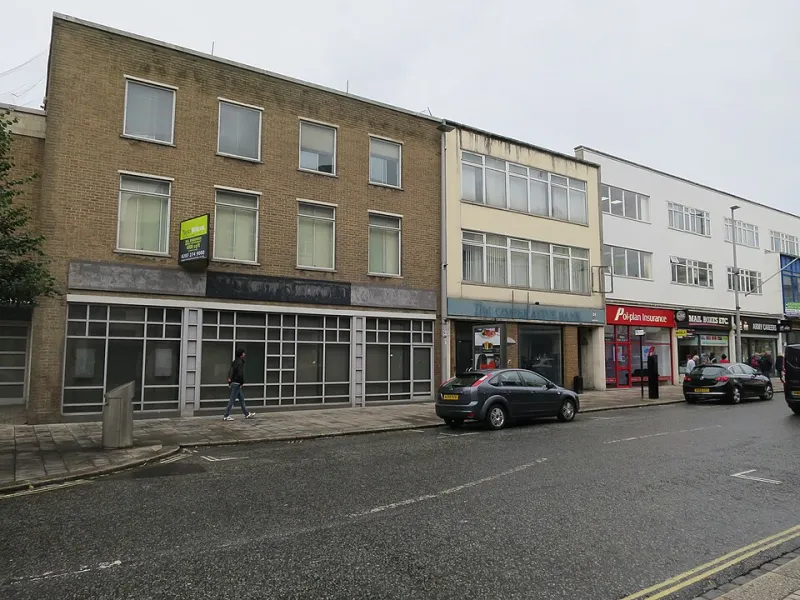
Photo: Hugh Venables , CC BY-SA 2.0, via Wikimedia Commons
There's a particular moment in the life of a UK SME when someone at the meeting says: 'We'll take the old website down while we build the new one.' It sounds efficient. It sounds tidy. It is usually a quiet way of switching off the lights and hoping nobody notices.
A website isn't a shop refit. If your local hardware shop closes for a fortnight to fit new shelving, you might wait. If it puts a note in the window saying 'Back soon—bigger and better', you'll probably try the place two streets over. Online, the place two streets over is one click away and it never closes. So why do so many small firms treat a relaunch like a grand reveal rather than a running repair?
The refit fantasy
Rebrands are seductive because they feel like progress. A new logo, a new palette, a new content management system, a photoshoot with a founder leaning against a brick wall. None of it is wrong. But the project often swallows months and a budget that could have paid for a part-time marketing person. Meanwhile the old site is hidden behind a holding page and the phones go quiet.
I've seen composite versions of this story: a Yorkshire kitchenware retailer that spent nine months on a 'digital flagship' while its old site—which ranked for half its product range—sat offline; a Bristol accountancy that took down a perfectly usable contact page to prepare for a 'thought leadership hub'. Neither was a technology failure. Both were decision failures. The business mistook a build project for a marketing strategy.
What customers actually want
Customers are not waiting for your reveal. They want the door open and the shelves stocked. In practical terms, that means three things on your website: can I find what you sell, can I trust you enough to get in touch, and can I complete the thing I came to do without swearing at my phone?
Those are the three highest-friction pages. For most SMEs they are the home page, the main product or service page, and the contact or checkout page. Fixing those rarely requires a full rebuild. It requires someone to read them on a phone, on a slow connection, while holding a cup of tea.
The trading-while-renovating checklist
-
Fix the three highest-friction pages first. Make the main service obvious, put prices or price ranges where people expect them, make the contact button work, and cut the paragraph that begins 'Founded in 1987'. History is fine. A customer trying to book a plumber at 7pm is not there for the origin story.
-
Announce improvements in plain English. 'We've made delivery prices clearer and added a callback button' beats 'We're delighted to unveil our transformed digital experience'. The first tells people what's in it for them. The second tells them you've been in a workshop.
-
Keep the old site live until the new one earns its place. If you can't run both, redirect every old URL, keep contact details visible, and put a human phone number on the holding page. A 'coming soon' page with no phone number is a closed sign with extra steps.
-
Measure whether anyone actually noticed. Pick two or three numbers before you start: enquiry form completions, calls from the site, checkout completion, bounce rate on the main service page. Compare eight weeks before and eight weeks after. If nothing moves, the relaunch was a hobby, not a marketing decision. That's allowed—just don't call it growth.
-
Set a stop date and a spending cap. 'We'll review at the end of March' is a decision. 'We'll keep going until it feels right' is how a website eats a year.
The reveal that nobody notices
Here's the uncomfortable bit: most customers won't notice your new website. They'll notice whether it loads, whether the prices are clear, whether the contact form works, and whether you replied. The big reveal is an internal event. The external event is a small change in behaviour—fewer 'how much?' emails, more bookings, fewer abandoned baskets. If you can't name the behaviour you want to change, you're not relaunching. You're redecorating.
When a full relaunch is justified
Sometimes it is. If your site is insecure, unusable on mobile, inaccessible, or so locked down that you can't update a price without emailing an agency, a rebuild is the responsible call. Even then, stage it. Move the content, keep the doors open, and migrate in daylight. The point isn't to avoid change. It's to stop treating change as a curtain-raiser.
The best relaunch is one that never stops trading. Scaffolding is fine. A closed sign is not. If your plan involves 'new website coming soon', ask what a customer is supposed to do until then. If the answer is 'wait', you've just handed them to a competitor who didn't.