Queue-Side Wisdom: Marketing Lessons From the Great British Corner Shop

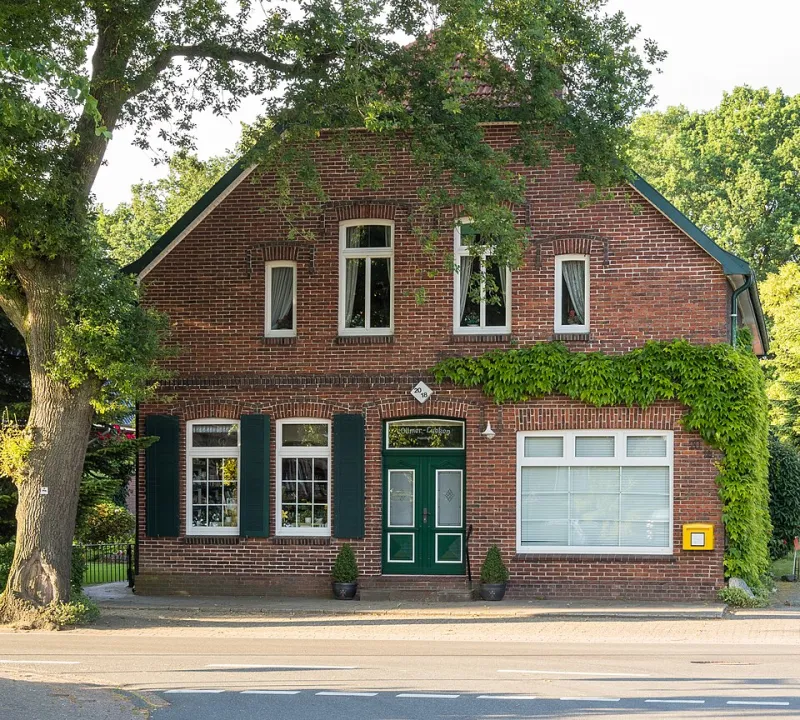
Photo: ann gav, CC BY 2.0, via Wikimedia Commons
There's a corner shop near me that opens at 6:30am and sells milk, batteries, lottery tickets and the kind of bacon that makes a Sunday. It has no marketing department. It has no CRM. It has a hand-written sign in the window that says 'fresh bread' and a bloke behind the counter who knows exactly which newspaper you buy.
And yet it does the basics better than plenty of SMEs with five-figure marketing budgets.
We named ourselves The Think Shop, not The Think Consultancy, for a reason. Shops are honest places. They either sell the thing or they don't. They don't have time for a brand workshop when the shelves need filling. So here are the marketing lessons your SME can steal from the humble corner shop, without hiring an agency or buying a single software subscription.
1. The sign does the first sale
A corner shop doesn't whisper. It puts a sign outside that says what it sells, in letters you can read from across the road. No clever strapline. No abstract logo. Just 'newsagent', 'off licence', 'open until 10pm'.
Plenty of SMEs do the opposite. They build a website with a poetic homepage and no clear sentence explaining what they do. Or they run an ad that makes people feel something but doesn't tell them what to buy.
Make your sign obvious. Your homepage headline, your shopfront, your van, your email signature: they should all answer the same question in plain English. What do you sell, who is it for, and why should I care today?
2. The window is your homepage
Corner shop windows are not subtle. They're crammed with posters: newspaper headlines, ice cream offers, local events, a missing cat. It's a mess, but it's a useful mess. It tells you what's going on right now.
Your SME homepage should do the same job. It doesn't need to be a work of art. It needs to show what's current, what's useful and what you want people to do next. If your site still leads with a blog post from three years ago, you've got a dusty window.
Keep the window fresh. Swap the poster. Update the offer. Make it obvious that someone is in.
3. Stock rotation is a content calendar
A shopkeeper doesn't wait for inspiration. They rotate stock because the old stuff doesn't sell. Out-of-date milk gets pulled. Seasonal stuff gets moved to the front.
Your marketing content works the same way. If a page, an email or an offer has gone stale, rotate it. If a service isn't selling, don't keep it on the shelf because you like it. If something is working, give it more shelf space.
Most SMEs don't have a content problem. They have a rotation problem. They write something once, leave it up for a year and wonder why nobody notices. Put a reminder in your calendar to review your 'shelves' every month.
4. The queue is prime selling space
The queue next to the till is where the magic happens. That's where you buy a chocolate bar you didn't need, a lighter you'll lose, or a pack of mints because you're about to get on a train. The shopkeeper isn't being pushy. They've just put the right stuff in the right place at the right moment.
Your SME version of queue-side selling is the thank-you page, the confirmation email, the follow-up message. What are you offering people when they've just bought something? If the answer is 'nothing', you're leaving money on the counter.
You don't need to be aggressive. A simple 'here's how to get the most out of what you just bought' or 'book your next appointment now' is enough. It helps the customer and it helps you.
5. Regulars are a CRM you don't pay for
The person behind the counter knows your name. They know you buy a pint of semi-skimmed and a lottery ticket on a Friday. They might even ask after your mum.
That's marketing. It's not clever; it's just attentive. And it's why you go back even when the supermarket is cheaper.
Your SME can do the same without buying a fancy system. Remember the details. Send a note when it's relevant. Ask how the project went. Notice when someone hasn't been in for a while. Small businesses win on recognition, not scale.
If you've got a customer list, use it like a shopkeeper uses their memory. A simple email to your best ten customers is worth more than a thousand random impressions.
6. Trust is local, not viral
Corner shops don't go viral. They don't need to. They need the people on the next three streets to trust them enough to pop in. That trust is built on small things: correct change, fresh bread, a friendly word, being open when they say they'll be open.
Your SME doesn't need to chase viral fame either. It needs to be trusted by the people who are most likely to buy from you. That means doing what you say you'll do, answering the phone, turning up on time and fixing problems without a fuss.
Local trust travels. A good reputation in one postcode or one industry can carry you further than a clever campaign.
7. Opening hours are a promise
A corner shop that says it opens at 7am and doesn't open until 7:20am is annoying. Do it twice and you'll go elsewhere. The sign is a promise.
Your marketing makes promises too. If your website says 'reply within 24 hours', reply within 24 hours. If your ad says 'next-day delivery', deliver next day. If your proposal says 'fixed price', don't add extras later.
These things feel small. They're not. Reliability is a marketing asset. It's cheaper than advertising and it compounds.
8. The owner is the brand
In a corner shop, the owner is the brand. You don't remember the logo; you remember the person. That's true for most SMEs too. People buy from people they like and trust.
You don't need to turn yourself into a content creator. But you do need to show up. Put your name on things. Answer your own emails occasionally. Let customers see the human behind the business. It's a lot harder to ignore a person than a logo.
9. Small bets, fast feedback
A shopkeeper doesn't order a thousand units of a new chocolate bar before testing it. They put a few on the counter and see what happens. If it sells, they order more. If it doesn't, they don't.
Your SME should run marketing the same way. Test one headline before you redesign the website. Try one email before you build a whole campaign. Run a small ad before you commit to a big budget. The corner shop model is not about being cautious; it's about being quick.
10. Don't overcomplicate the milk
At its heart, the corner shop sells milk. It doesn't need a brand purpose statement to do that. It needs milk, a fridge, a sign and a price.
Your SME has a 'milk' too: the core thing people actually want from you. Don't let the marketing get so complicated that you forget to sell it. Clear beats clever. Useful beats impressive. And a shop that opens on time beats a campaign that goes viral but never answers the phone.
The corner shop won't win any awards for its marketing. But it knows its customers, keeps its promises and puts the right things in the right place. That's more than most agencies will admit. And it's a pretty good place to start.